
What Is the Glamping Economy and Why Is It Booming in 2026?
-
 by
by
- in Business

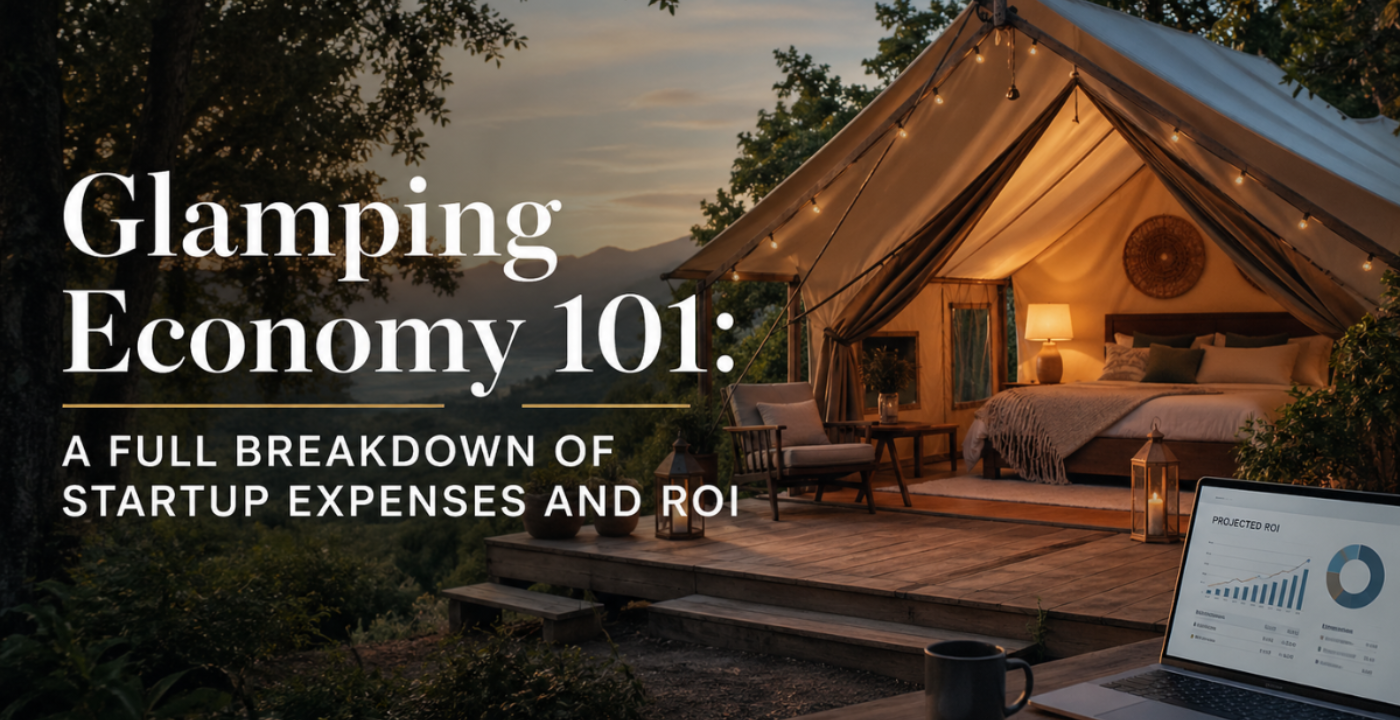
The glamping economy is one of the most promising business stories in outdoor hospitality, albeit it remains relatively unknown. It all began as a small lifestyle trend, but has since expanded to a multi-billion dollar industry with serious investors, first-time entrepreneurs and hotel professionals alike.
Whether you are considering venturing into this field or just want to know how big the market is, how much you might spend on getting it started, what it might make you, and what the risks are you cannot take, this is the breakdown.
Key Takeaways
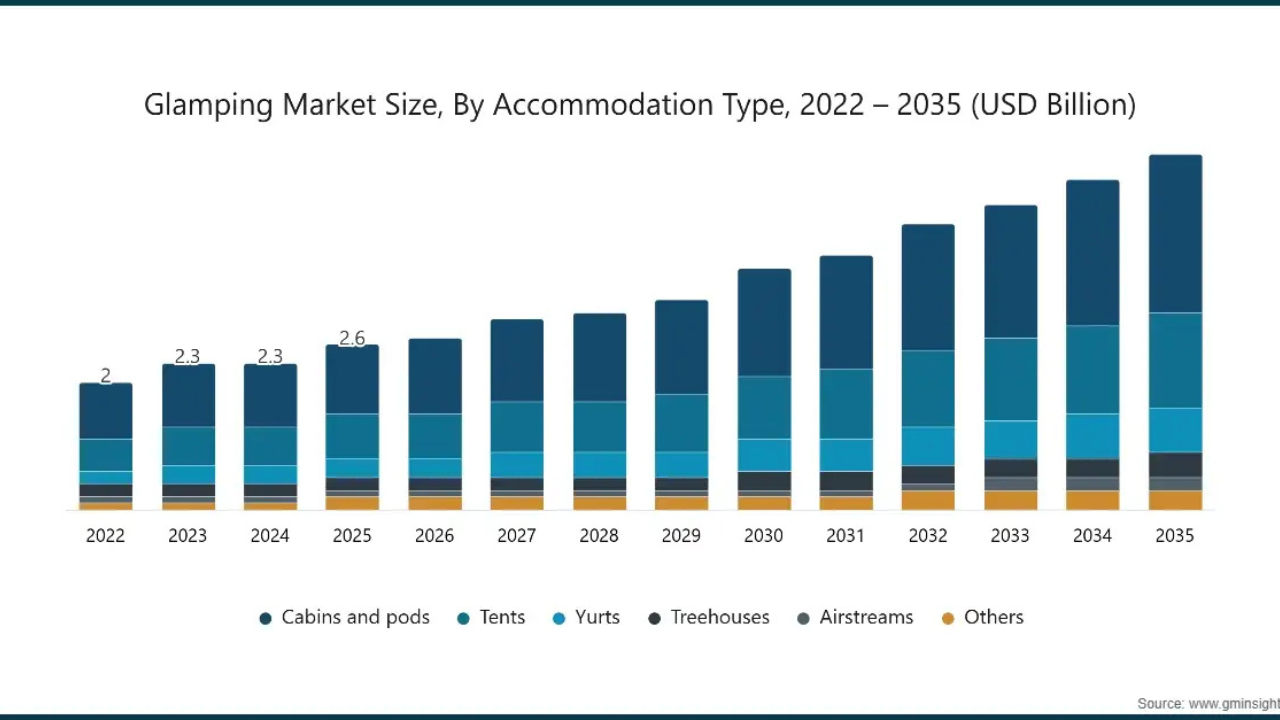
- The global Glamping Market is expected to expand from USD 3.97 billion in 2022 to USD 7.36 billion by 2032, expanding at a CAGR of 10.27%.
- The cost of startup varies based on scale and location from $225,000 to more than $1 million.
- There is the potential to increase income per guest by 25-40% with diversified revenue streams.
- Within 2-4 years, most operators break even and will see ROI within 5-7 years.
- The risks that need to be mitigated are all the size of the seasonality, permits and initial capital.
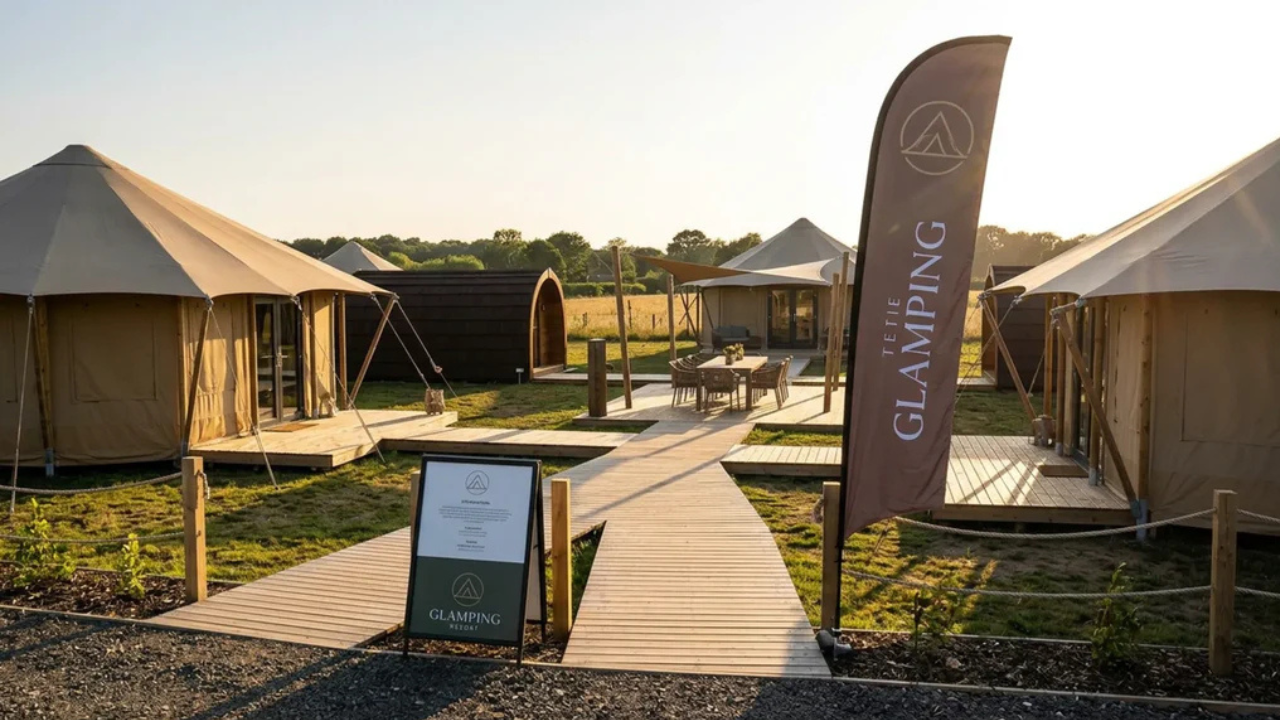
What Is the Cost of Setting up a Glamping Business?
The cost of a business start starts to differ according to the location, luxury level and size of the business. Here are some realistic numbers:
| Cost Category | Low Estimate | High Estimate |
| Land (purchase or lease) | $50,000 | $500,000+ |
| Site preparation | $33,000 | $125,000 |
| 6 accommodation units | $90,000 | $300,000 |
| Permits and legal | $5,000 | $25,000 |
| Furnishings and amenities | $15,000 | $60,000 |
| Tech and marketing | $11,700 | $37,800 |
| Contingency (10–15%) | $20,470 | $104,780 |
| Total Estimated Investment | ~$225,000 | ~$1.15M+ |
Most operators start off with 4-8 units to ensure that cash flow isn’t overwhelming and they are establishing a reputation and occupancy. The largest single line item is usually the accommodation units. A furnished geodesic dome runs $20,000–$50,000, while a treehouse can reach $150,000 per unit.
The cost that is the least understood is permits. Some states or countries might require zoning variances, environmental assessments, fire safety certifications and short-term rental compliance. Budget $5,000–$25,000 and allow 3–6 months for approvals.
Read Also: Crypings.com: A Complete Guide for 2026
Revenue Streams: Where the Money Actually Comes From
A successful glamping operator will not be entirely based on nightly prices. The main income is from room rentals (from $150 to $600+ per night), while holiday surcharges are 20-40% above the standard price.
Where margins are higher, it’s in the secondary revenue:
- Food & drink experiences such as stargazing sessions, hiking in the woods, walking the farm-to-table route and much more.
- Wellness packages include hot tubs, yoga classes, sound baths etc.
- Caters for events such as elopements, ‘micro’ weddings & corporate retreats.Hosts events, including elopements, ‘micro’ weddings & corporate events.
- Food and drink welcome baskets, campfire meals, chef hire
With strategic diversification, glamping locations may boost their revenue per guest by 25-40%, without necessarily proportionately raising their operating expenses.
The Profitability Difference Between Glamping and Traditional Camping
There’s no need to do any explanation here, the numbers do it. Campgrounds typically charge $25 to $50 per night, and earn between $80,000 and $200,000 a year with a profit margin of 10% to 18% per night.
The middle range glamping camps, on the other hand, can earn $220,000 to $500,000 a year, with profit margins of 20 to 35% and charge $150 to $300 a night per unit. Luxury glamping will take them to 28-45%+ In fact, the revenue per acre can be as much as nine times greater than traditional camping, especially appealing to eco-tourism and real estate investors.
While glamping is a lucrative enterprise, it isn’t a safe one. The most frequent problems are:
- Up front investment costs often exceed estimates, particularly for land development and utility connections.
- Seasonal demand occupancy levels may plummet during the low seasons creating cash flow problems if not a steady stream of income throughout the year.
- Guest experience and property lifespan is impacted by weather dependency (storms, flooding and extreme heat).
- Opening delays are caused by permitting and zoning, which can take months or more.
Final Word
There’s a clear appeal in the glamping economy with high profit potential, increasing consumer demand, and enterprise models that are easily replicable. Most operators make their money back in 2-4 years and a full return of investment in 5-7 years, and are comparable to traditional real estate returns, but with much more lifestyle appeal.
From a single luxury dome on leased property to a six-unit retreat on owned acreage, the main considerations are having a realistic cost model, a diversified revenue strategy and patience with the permitting process. The basics of the market are already solid for the upcoming year and years.
FAQs
1.What are the start-up costs for a glamping business?
The startup costs vary from $225,000 to more than $1 million, depending on location, number of units and luxury. Typically, a mid-tier site with six units in a prime rural location needs a total capital of $350,000–$550,000.
2.The amount of time required to break even in glamping?
The average number of years it takes for most glamping companies to break even is 2-4 years. When land is owned, and not leased, strong performers with diversified revenue streams can realize the full ROI in 4-5 years.
3.Will glamping be more profitable than camping?
Yes. Compared to traditional camping, glamping creates much higher nightly revenue, annual revenues and profit margins ($150-$600+ compared to $25-$50), and they do not even need the same facilities. The income per acre is nine times higher.
4.What are the risks associated with a glamping business?
The four primary risks include high start-up costs, seasonal demand variations, weather issues, and the complexity of zoning/permitting, which can cause delays or obstacles in getting your product to market.
Read More: TTMS Net Banking 2026: Get a Complete Guide to Login, Registration and Payments

No comment