
Wellhealth How to Build Muscle Tag: The Ultimate Guide to Building a Stronger Body
-
 by
by
- in Health


Look, pretty much everyone wants to put on some muscle these days. Whether you just joined a gym or you’ve been lifting for years, building muscle is the main reason most of us even bother with fitness. Maybe you want your clothes to fit better, carry heavier stuff without struggling, or just feel healthier in general. Whatever your reason is, this guide breaks down the Wellhealth How to Build Muscle Tag in simple terms — no complicated words, just what actually gets results. Read the post to the end carefully and gain muscle beautifully by maintaining some important things.
What These Wellhealth Guides Actually Give You
So here’s the thing with these muscle guides. They’ve made life easier for regular people who want to get bigger but have no clue where to begin. Instead of wasting time on random YouTube videos and conflicting advice, you get straight answers about workouts, food, and all that stuff that keeps you wondering if you’re doing it right.
The best part? It isn’t just for serious bodybuilders. Even if you’re someone who just likes staying active, there’s something useful here for you. Let me run you through the main stuff they cover:
Showing up regularly: Honestly, this is where most people go wrong. You can’t expect results if you train hard for two weeks, then vanish for a month. Your muscles need consistent stress to grow, and skipping around just wastes whatever effort you put in. Pick a schedule you can actually keep up with — even if it’s only three days a week — and stick to it. Half the battle is simply not quitting before you see changes.
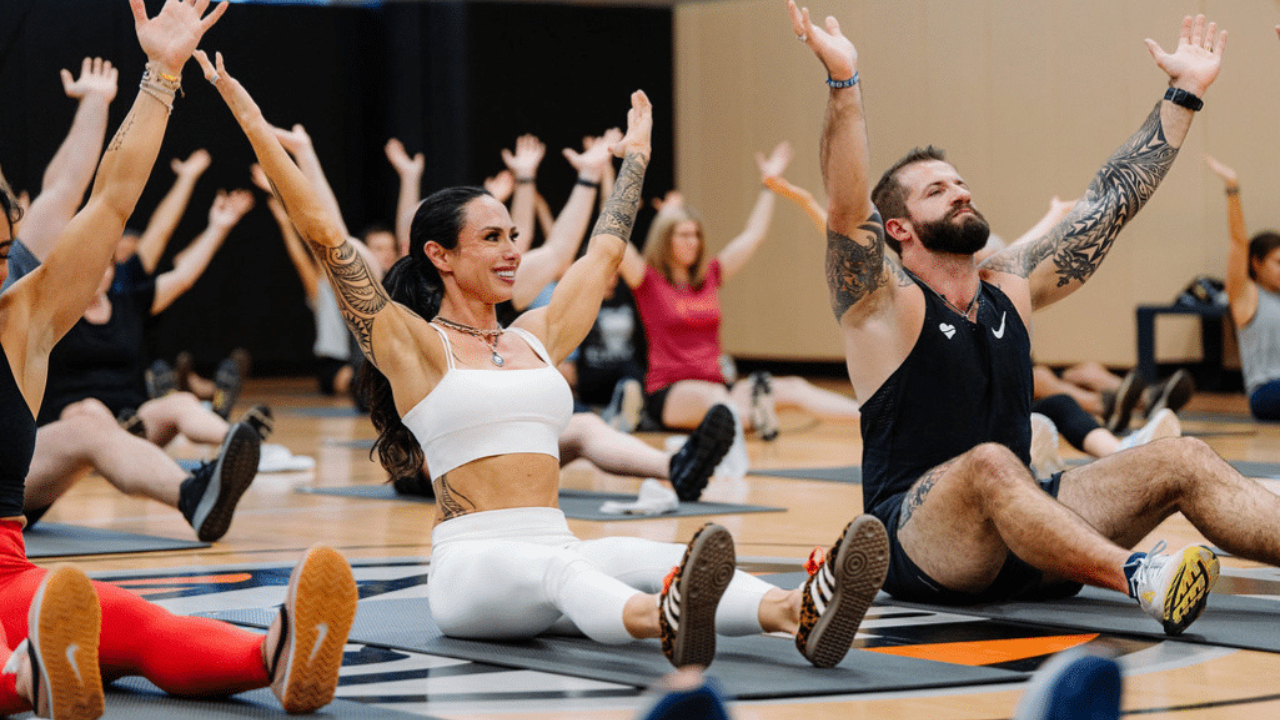
Eating proper food, not junk: All those hours in the gym mean nothing if you’re living off instant noodles and energy drinks. You need real nutrients — protein to rebuild what you break down, carbs to power your sessions, healthy fats to keep hormones balanced. Think chicken, rice, eggs, nuts and vegetables. Boring? Sometimes. Does it work? Absolutely.
Protein powders and similar stuff: Yeah, supplements can help, but don’t go wild buying every shiny tub you see at the store. Protein shakes are handy when you can’t get enough from food, and things like creatine actually have solid research behind them. Just talk to someone who knows their stuff before spending money on random products.
Writing things down: Grab a notebook or use your phone, track your lifts, your weight and how your clothes fit. Otherwise, you’re just guessing whether you’re improving. When progress slows down, your notes show you exactly what needs changing.
Sleeping and taking it easy: This one is massive and everyone ignores it. Your muscles don’t grow while you’re curling dumbbells. They grow while you’re asleep on your sofa or resting on a Sunday. Skip recovery and you’re basically tearing yourself down without rebuilding. Aim for 7 to 8 hours minimum, and take real rest days where you do nothing gym-related.
Read Also: What You Should Know About mistyinfo.com
Do Supplements Even Matter for Building Muscle?
Short answer: yes, but they’re not magic. Good supplements fill gaps in your diet and can speed up recovery when you’re training hard. Most decent ones contain protein, some carbs for energy, vitamins, creatine for strength, and BCAAs to reduce soreness.

But here’s the catch — food comes first. No pill or powder beats a solid meal. Supplements just back up what you’re already doing with training and eating. Also, bodies are different. What works for your gym mate might do nothing for you. That’s why chatting with a trainer before buying makes sense.
The Exercises That Actually Build Muscle
There’s no single perfect workout. The people who see real results mix things up. You’ve got your compound movements — the big lifts that work multiple muscles at once. Then you’ve got isolation stuff that focuses on specific areas. Both matter.
Weight lifting is the obvious one: Barbells, dumbbells, machines, you name it. Start with manageable weights, then keep adding more as you get stronger. Your trainer should set your sets and reps, so you’re challenged but not destroyed. Deadlifts, overhead presses, chest work — these build serious strength over time.
Bodyweight moves are underrated: push-ups, squats, lunges, planks, you can do these anywhere and they build a solid foundation. Plus, they strengthen your core without you even thinking about it. Just warm up properly first. Cold muscles get injured fast, and injuries set you back weeks.
Why Bother With a Trainer?
Some people think trainers are only for celebrities or rich folks. Wrong. Having someone who actually knows what they’re doing changes everything.
They’ve got your back when motivation drops. Message them when you’re confused about an exercise. They’ll fix your form before you hurt yourself — because bad form isn’t just ineffective, it can mess you up for months. A good trainer also builds your eating plan around what your body actually needs, not some generic diet from a magazine.
Rest: The Part Everyone Skips
People love posting gym selfies but nobody brags about their rest days. Huge mistake. Your body needs downtime to repair the tiny tears you create during training. Without it, you’re just building up damage.
Schedule actual rest days — not “light cardio” days, but real rest. Otherwise, you risk overtraining, which kills gains and invites injuries. You’ll also feel terrible and start dreading workouts. Smart trainers insist on recovery because they know it’s where the magic actually happens.
The Hard Parts Nobody Talks About
Let’s be real — sticking to any routine long enough to see results is brutally hard. Most people quit within a month. The ones who transform their bodies are the ones who keep showing up when it’s boring and progress feels slow.
Meal prep is another pain: Eating clean takes planning, cooking, and saying no to pizza with your friends sometimes. But nutrition is the foundation that everything else sits on. Mess this up and even perfect workouts won’t save you.

Watch out for food intolerances too: If certain foods make you bloated, tired, or mess with your stomach, your body isn’t absorbing nutrients properly. That inflammation slows recovery and drains your energy for training. Figure out what agrees with you and stick with it.
Then there’s the plateau — that lovely moment when your body gets used to everything and stops changing. This happens to everyone eventually. The fix? Switch up exercises, adjust reps, maybe tweak your calories. A trainer helps you navigate this without panicking.
Consistency is honestly the toughest part: The discipline required isn’t sexy or Instagram worthy. It’s grinding through sessions when you’re tired, eating chicken again when you want burgers, sleeping early when there’s a new show to binge. Having someone in your corner who pushes you through these mental valleys makes all the difference.
Final Word
Building muscle isn’t complicated, but it’s definitely not easy. You need to train regularly, eat as you care about your body, use supplements smartly, sleep enough, drink water as needed and actually rest between sessions. Surround yourself with people who get it — trainers, gym friends, whoever keeps you accountable.
Most importantly, don’t make it miserable. Try different exercises, find what you enjoy, mix things up so it doesn’t feel like punishment. Once you understand your body and what works, you can experiment and customize. But early on? Get professional guidance. Your body will thank you, and you’ll avoid the stupid mistakes that sideline so many beginners.
Read More: HRMS MSSC to Access and Support Employees Seamlessly

No comment