
833 Area Code Scams: How to Protect Yourself from Fraudulent Calls
-
 by
by
- in Technology

Hi Readers! With the development of technology, individuals are increasingly doing more things that make them susceptible to fraudulent activities, of which one of the most common is phone scams. A common ploy used by fraud artists is to spoof the area code in their phone number to make it seem like it belongs to a legitimate operator.
These days, one of the most abused prefixes is the 833. In this article, you will learn how these scams operate, and how to safeguard yourself from becoming a victim of one of these scams.
What is the 833 Area Code?
Yes, the 833 area code is a valid toll free code in North America, similar to the popular codes like 800, 888 and 877. With toll-free numbers, the receiver of the call, not the caller, pays the cost. These are frequently used by companies, customer service hotlines and government departments to offer a free phone to their clients.
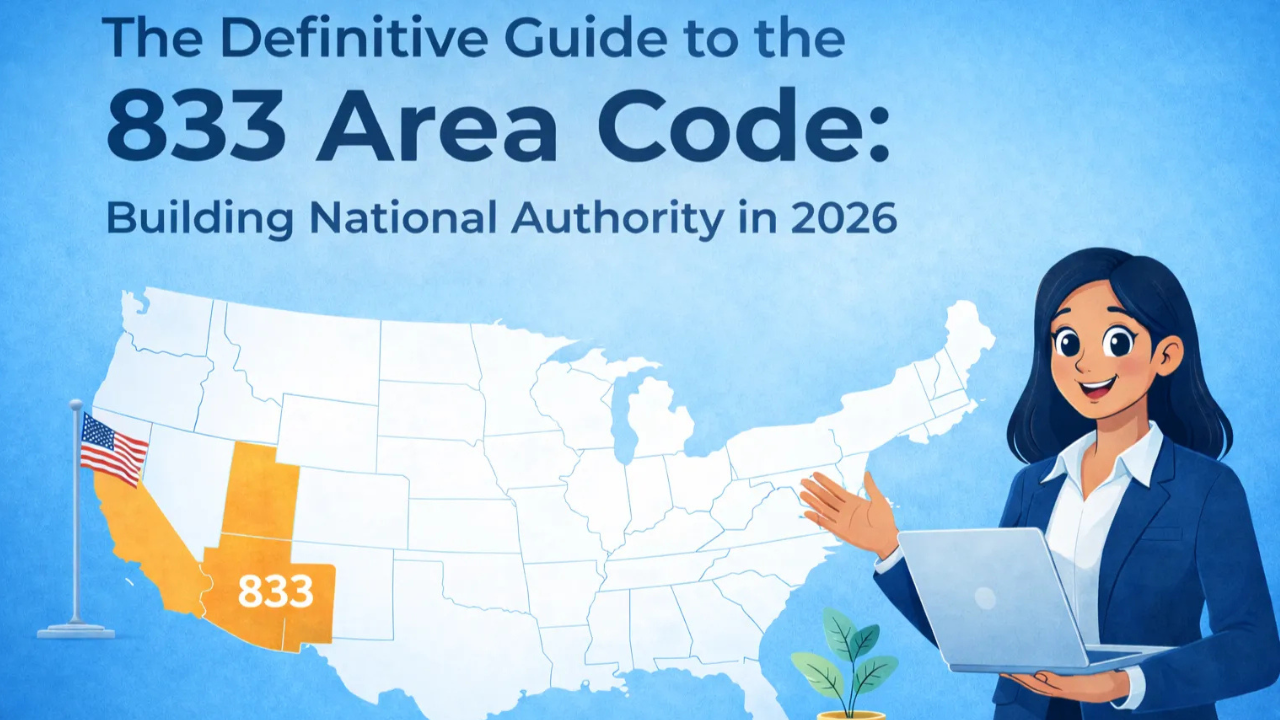
This trusted reputation makes 833 numbers a priority target for scammers to fraudulently call from in order to fool unwary people into picking up the phone.
Why Is the 833 Area Code Being Targeted?
Two main reasons why it is a common victim of fraud. The recipient is more likely to pick up the item due to its association with the business, which is gained through its strength.Its strength gives it association with the business, which increases the likelihood that it will be picked up by the recipient. Secondly, it’s a relatively new addition to the toll-free numbering system, meaning it’s not as well-known and thus more useful as a decoy.
Common Types of 833 Area Code Scams
Knowing the various kinds of scams can help keep you safe. The most common ones are:
1. Tech Support Scam Fraudsters call up claiming a serious problem with your computer/internet connection. They claim to be from a trusted technology firm and provide to resolve the issue either by paying or by asking for remote access to your device.
2. IRS / Tax Scam Callers pretend to be IRS agents or tax authorities and threaten the recipient with arrest, fines or legal action for “unpaid taxes. The aim is to cause panic and force people into a quick payment.
3. Sweepstakes or Free Gift Scam This scam starts off with a great news flash: You’ve won a prize or sweepstakes you never entered. In order to claim it, one needs to pay the fee or taxes in advance. After the payment is made, the scammer goes away.
4. Cancellation Fee Scam Scammers call regarding a subscription service that you have not signed up for and suggest you will be charged unless you pay a cancellation fee. They make you feel rushed and urge you to give your credit card information.
5. Bank Fraud Scam: Fraudsters pretend to be from your bank telling you of suspicious activity on your account. They then request your account information or personal data to “verify your identity.
Read Also: What You Should Know About mistyinfo.com
Red Flags to Watch Out For
- Regardless of the scam, there are some common signs to look for:
- Unsolicited calls with a demand for immediate action.
- Questions for your Social Security number, banking information or passwords
- The possibility of fines, imprisonment or legal action being taken.
- The threat of payment through gift cards, wire transfers, or cryptocurrency.Threat of payment through gift cards, wire transfers, or cryptocurrency.
- The caller asks you not to check them out on your own.
How to Protect Yourself from the 833 Area Code Scam
Safety begins in safety awareness. Here are some steps to take to help yourself:
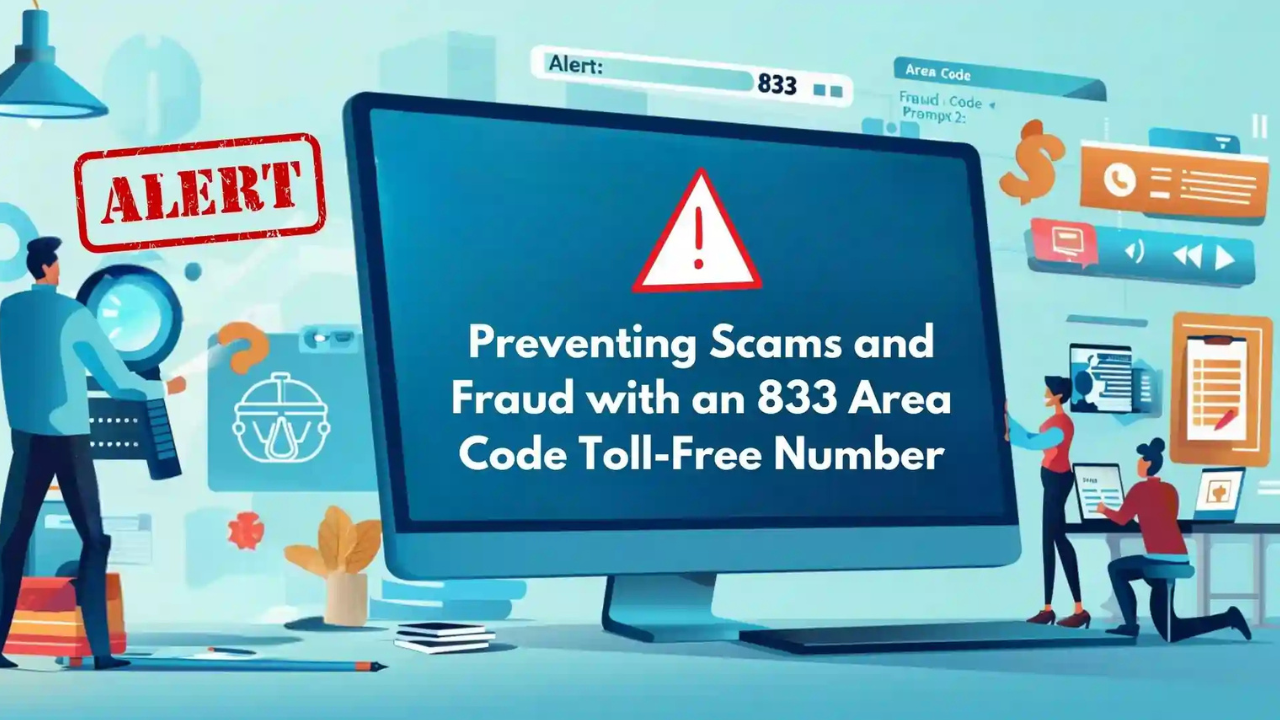
- If you receive an unknown 833 number, don’t answer it or call it back, particularly if you did not expect a call.
- Let it go to voicemail. Scammers will usually disconnect when they get a voice mail message.
- Check the caller by checking the official number on their website and calling the company directly.
- If you want to verify if a phone number is a scam, use a reverse phone lookup service like Truecaller or Whitepages.
- Deny incoming calls from known spam numbers via your phone’s settings or a third-party app designed to block unwanted calls.
- To minimize unwanted telephone calls, register on the National Do Not Call Registry.
- Avoid malware that might be installed during tech support scams by keeping devices up-to-date.
Final Word
Knowing the 833 area code scam and understanding the warning signs can make all the difference in ensuring the safety of your personal and financial information. The key to outsmarting scammers is knowledge; they use urgency, confusion and trust. Spread this news to friends and family, particularly elderly family members, as they are the most vulnerable group to be targeted. Be alert, be informed and never hesitate to hang up on a suspicious call.
FAQs
1. All calls from 833 are scams?
Not necessarily. 833 toll free numbers are used by many legal businesses and government agencies.
2. What should I do if I receive a suspicious 833 call?
Hang up ASAP without saying anything. Then call the organisation that the caller said they were calling from on a phone number that was verified on the official website.
3. Are you able to block 833 area code calls on your phone?
Yes. You can block numbers on Android and iPhone devices. There are also third-party call-blocking applications that you can use, such as Nomorobo or Truecaller.
4. How would you know if an 833 number is a real number?
Look up the number on the internet for “scam reports,” look for it in the Better Business Bureau (BBB) directory or visit the company’s official website.
5. Who should I contact if I call an 833 scam call?
Report it to the Federal Trade Commission (FTC) at ftc.gov/complaint, the Federal Communications Commission (FCC) and your bank if any financial information was provided during the call.
Read More: HRMS MSSC to Access and Support Employees Seamlessly

No comment