
Are Home Battery Backup Systems Worth It in 2026?
-
 by
by
- in Featured Technology

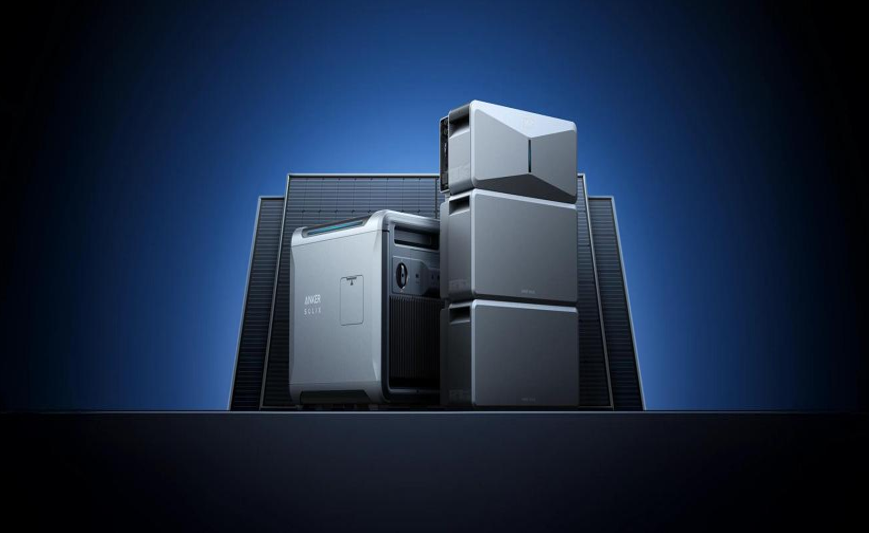
Power outages feel more common and more disruptive each year. Homeowners want a way to keep essentials running without the noise, fumes, and hassle of fuel-powered generators. That is where home battery backup systems step in. These systems store electricity and deliver it instantly when the grid fails, helping you keep lights, Wi‑Fi, refrigerators, and even HVAC online. Costs have dropped, performance has improved, and flexible systems now work with solar, the grid, or smart generators. In 2026, the big question is no longer “Do they work?” but “Are they worth the money for my home?” This guide explains how home battery backup systems work, their benefits, how whole-home solutions like Anker SOLIX compare, and whether they beat traditional generators.
What Is a Home Battery Backup System?
How It Works
The system connects to your main electrical panel and monitors grid power in real time. When the grid operates normally, the inverter manages charging from solar panels, the grid, or a smart generator. Software decides when to charge or discharge based on your settings and utility rates.If the grid goes down, the inverter disconnects your home from the utility and switches to battery power almost instantly. Essential loads or whole-home circuits keep running. When power returns, the system reconnects safely and starts recharging. Throughout, the app or control software shows real-time power flows, battery level, and backup run-time estimates.
Key Components
A typical home battery backup system includes several core parts:
- Battery modules that store energy, usually lithium-iron phosphate for long life.
- Inverter/charger that converts DC battery power to AC for your home and manages charging.
- System controller or power module that coordinates sources, loads, and safety.
- Transfer switch or smart inlet box that isolates your home from the grid during outages.
- Monitoring and control app for smartphones or web.
Systems like Anker SOLIX E10 add modular B6000 Battery Modules, a Power Dock, and options for PV solar, DC generator input, and accessories that support whole-home backup with 120/240V split-phase output.
Benefits of Home Battery Backup Systems
Clean and Reliable Power
Battery backup systems provide clean, stable electricity with no combustion. There is no gasoline or diesel to store, no oil changes, and no exhaust to worry about. The lack of moving parts also boosts reliability. Once installed, the system stands by quietly until needed.During an outage, the inverter delivers consistent voltage and frequency, often 120/240V split-phase power for North American homes. For example, Anker SOLIX E10 outputs 7,680W at 240V and 32A continuously, with higher turbo backup options for short bursts. That power is steady and low-distortion, which protects sensitive electronics. The result is reliable backup that does not pollute, vibrate, or disturb your neighbors.
Energy Savings and Smart Use
Beyond backup, batteries let you use energy more intelligently. In areas with time-of-use rates, you can charge the battery when power is cheap and discharge when rates peak. This simple strategy can reduce your monthly bill. You can also pair a battery with solar to store excess generation rather than exporting it for low credits.A smart system monitors usage and optimizes automatically. Anker SOLIX E10, for instance, supports PV input up to 2 x 4,500W and a 4,500W DC generator input. Its Wi‑Fi and Bluetooth connectivity allow app-based control. You can schedule charging, view real-time flows, and ensure you always reserve enough capacity for outages.
Whole-Home Backup Solutions Overview
Systems Like Anker SOLIX
Anker SOLIX E10 is a representative example of a modern whole-home battery backup solution. It provides 120/240VAC split-phase output at a rated 7,680W and 32A, with up to 10,000W and 41.6A for 90 minutes when paired with batteries. Turbo backup delivers even higher current for short peaks.The system centers on the E10 Power Module, expandable B6000 Battery Modules, a Power Dock, and a Smart Inlet Box for seamless integration with your home’s panel. It supports up to 9,600W AC input for fast charging, dual PV inputs up to 4,500W each, and a 4,500W DC generator input. Wi‑Fi and Bluetooth enable smart control.
Key Features to Consider
When evaluating the best home battery backup system, focus on several critical features. First, check output power and voltage: you want 120/240V split-phase and enough continuous wattage for your largest loads. Anker SOLIX E10, for example, delivers 7,680W continuous with robust current capacity.Second, review storage capacity and expandability through modular battery packs. Third, confirm charging options: grid, solar PV, and possibly DC generator input for extended outages. Fourth, look at enclosure rating and operating temperature; NEMA Type 4 (IP66) and wide temperature ranges suit outdoor installs. Finally, ensure smart monitoring, app control, and a solid warranty, such as a 5-year coverage.

Conclusion
Home battery backup systems in 2026 offer more than emergency power. They provide instant, quiet backup; support solar; and help manage energy costs. For many households, these benefits make them a compelling alternative to traditional generators, especially in areas with time-of-use rates or frequent outages.Whole-home solutions like Anker SOLIX E10 demonstrate how far the technology has come. With 120/240V split-phase power, up to 7,680W continuous output, fast AC and solar charging, DC generator input, and outdoor-ready NEMA Type 4 enclosures, they can keep an entire home running smoothly. Smart connectivity and a solid warranty add extra assurance.Whether a battery system is “worth it” depends on your outage history, budget, and energy goals, but for many homeowners, the combination of resilience and smarter energy use justifies the investment.

No comment