
Information Security and Cyber Security: Differences, Overlap and Best Practices
-
 by
by
- in Software and tools

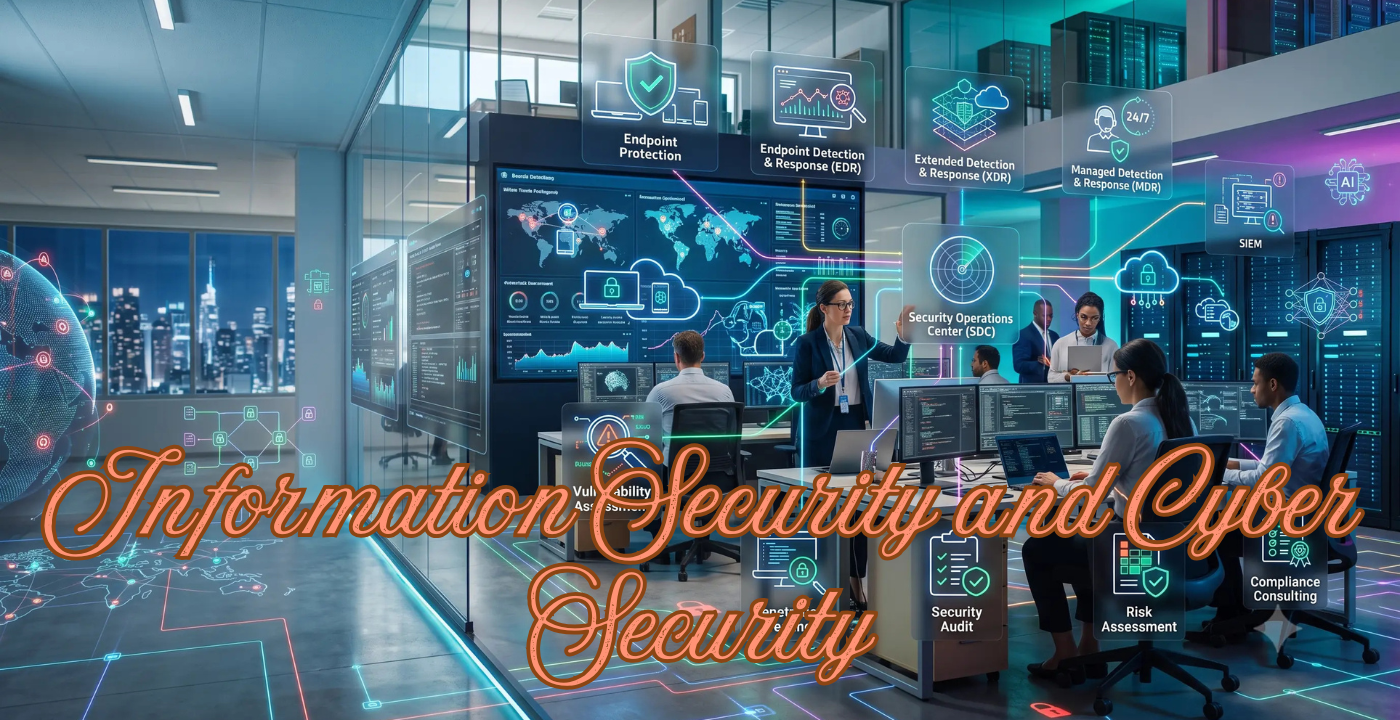
Data is a resource that is essential to every business, and to every individual, and it matters more than ever. The knowledge of information security and cyber security will help you select the proper security and protection measures, prevent expensive breaches and comply with legal requirements.
The two words are interchangeably used but each has a different meaning. This guide will give you an understanding of what each one is, how they differ, where they intersect and what simple steps you can take to ensure that your data is kept safe.
What is Information Security?
Also known as InfoSec, information security refers to safeguarding information in any form. That means documents in a computer, files in a cabinet and even information in a discussion.
The purpose of this is straightforward, to ensure those with access to information can only see, modify, or use it if they have the appropriate permission. These can include the locking of records rooms, who can open payroll files, marking private data according to their sensitivity, and educating staff on the handling of private information.
To demonstrate responsible handling of information, there are various standards (e.g. ISO 27001) and laws (e.g. GDPR) that many organisations adhere to. The InfoSec concept is not all about gadgets and tricks, but about rules, planning, and good habits.
What Is Cybersecurity?
Cybersecurity helps keep computers, networks, phones, and web services safe from electronic attacks. Cybersecurity involves dealing with hackers and malicious software, while InfoSec is the comprehensive plan for security.

Common threats include:
- Phishing: pretending to be a legitimate business to get individuals to disclose their passwords in e-mails or messages.
- Ransomware: programs which encrypt or block your files until you pay a ransom.
- Malware: programs that cause damage or steal data.
- DDoS attacks: An attack designed to overwhelm a service by sending a large amount of data.DDoS attacks: A service attack that floods the service.
Common security measures used are firewalls, anti-virus software and devices that detect unusual activity. But cybersecurity teams also patch vulnerabilities in software before they can be exploited by the attackers.
The CIA Triad: The Foundation of Both Fields
The three goals, or principles, of both fields are the CIA triad:
- Data Security: Only authorized individuals have access to the data. For instance, their customer records are encrypted so that strangers can’t read it.
- Integrity: Data stays accurate and is not changed by mistake or by tampering. One such instance is that a digital signature provides proof that a contract has not been modified.
- Availability: Data and systems are available when needed. For instance, backups that are regular will allow you to recover in case of a crash.
Any of these are insufficient, you are inadequately protected. If a system is secret, but it is not always offline, it is not useful; if it is always online, and easy to break in, it is not safe.
Best Practices to Strengthen Your Data Protection
It doesn’t take much money to make your home more secure. These are the habits that will make a huge difference:

- Ensure strong passwords and multi-factor authentication (MFA) are used. A password manager will assist you in creating and keeping unique passwords. MFA provides a second security measure, like a code that’s sent to your mobile phone.
- Keep software up to date. Changes address security vulnerabilities that are targeted by attackers. Enable auto-updates when possible.
- Back up your data. Make sure to store copies elsewhere and ensure that they can be recovered. The best way to protect yourself from ransomware is to backup regularly.
- Limit access. Provide access for persons only as necessary to perform their jobs. This is referred to as “least privilege” and will limit the harm if the account is stolen.
- Train your team. Most attacks begin when someone clicks on a link that is malicious. With short frequent training, people are able to identify false messages.
- Encrypt sensitive data. Encryption scrambles information and makes it useless to anyone without the key, whether it is stored or being sent.
Final Word
The common denominator linking both fields is the need to ensure the safety, accuracy and availability of information. Security information and Cyber security practices together provide the maximum protection. Build on the basics above, revisit regularly and include security in the fabric of everyday work. Ready to begin? Make a basic security checklist for your staff now.
FAQs
1. Is cybersecurity part of information security?
Yes. A subset of InfoSec that deals with digital threats is called cybersecurity. Information security is more wide-ranging and includes paper and verbal information. It’s a combination of these two that most organizations require.
2.Which should you choose to study?
Neither is better. Cybersecurity positions are more technical, like network vulnerability testing. The InfoSec positions tend to be more policy, risk, and compliance oriented. Make the decision on hands-on technical vs planning and rules.
3. What is the CIA triad?
It’s the principle of confidentiality, integrity, and availability. Confidentiality restricts access to information; integrity ensures that data is accurate; availability ensures that data is accessible when required. The underlying principle behind most security plans.
4. What are some of the most common threats in the Cyber Age today?
Phishing, ransomware, malware, stolen passwords and DDoS attacks are the most prevalent threats. The majority are stopped by human error, and so staff training and multi-factor authentication are two of the best ways to help prevent them.
5. Do small businesses need security measures?
Yes. Small businesses are easy targets due to their lack of defenses. Minimal measures such as backups, updates, password strength, MFA and staff training significantly mitigate risk at minimal cost.

No comment