

Call Conversion Optimization: How to Turn Phone Leads Into Customers in 2026
-
 by
by
- in Software and tools

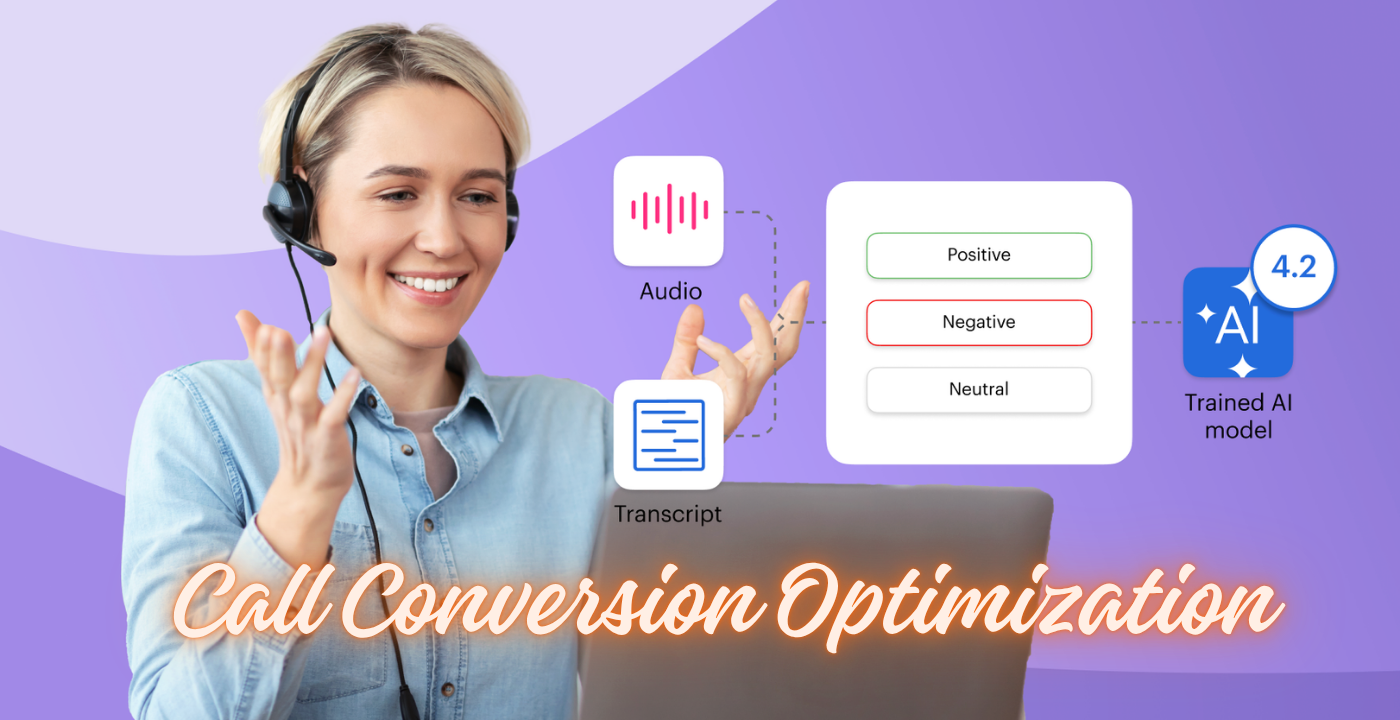 One of the best indicators of buying intent a business can have is still through phone calls. Generally when a caller takes the phone, he or she is ready to make a purchase, a booking, or make a serious inquiry, rather than filling out a form. The trouble is that it’s not enough to get the call; you need to receive it properly as well.
Call conversion optimization comes into the picture now. It’s about enhancing all aspects of the calling process, from speed of answering the phone to the way you treat your caller, making more calls into paying customers. This article deals with what it is, why it is important and how to make it better in a simple way.
What Is Call Conversion Optimization?
Call conversion optimization is simply a process of optimizing your business calls to more likely lead to a sale, booking or any other form of desired conversion. It works in parallel to website conversion optimization and concentrates on voice interactions rather than on a website.
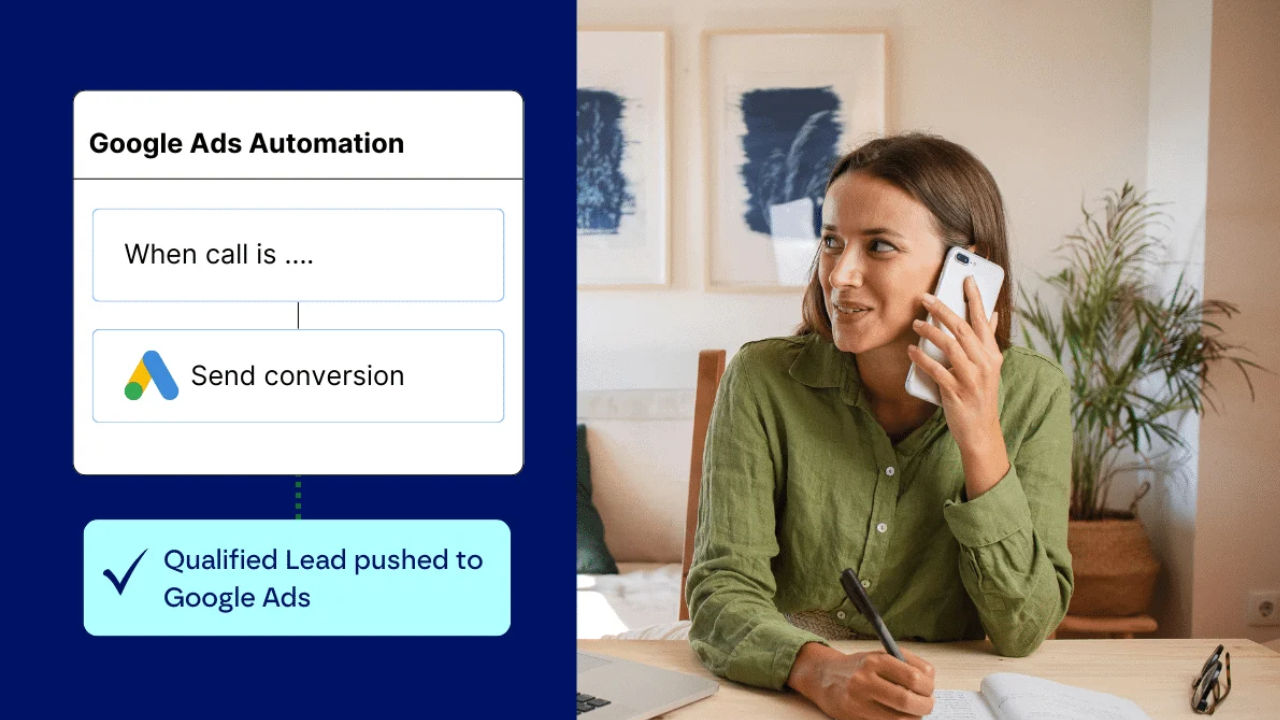
Someone who is engaged in call conversion optimization might be more interested in how fast the call gets picked up, how ready the person answering is, and whether or not the caller feels “heard” than a website optimizer is about button colors and page speed. The end result is the same; either make more use of the leads that already exist or buy more of them.
Why It Matters More in 2026
Advertising expenses continue to rise and lots of companies have to pay more for the same volume of traffic compared to this time last year. This is why it’s more critical than ever to convert as much lead as possible, particularly phone leads that convert at a higher rate than web forms.
And most people are doing the same with their phones, they’re browsing and shopping with them, too, and clicking on a number is far more convenient than typing out a long form. Customers have become impatient as well. Many will hang up if a call rings too long or goes to a confusing menu or call, and calls a competitor. It’s the combination of the increasing cost, the mobile lifestyle and the decreasing patience which is causing a greater focus on this now.
Metrics Worth Tracking
In order to make improvements, it’s best to know where you stand. A few numbers tell most of the story, answer rate, speed to answer, call duration and missed-call rate. Most importantly, the conversion rate per call is the ratio of how many calls are converted to a sale or booking. These can be watched over time to make it easier to see where the biggest problems are lurking.

Read Also: How Search Engines Basics Actually Work: Find Out Everything
Simple Ways to Improve Call Conversions
One of the easiest and most obvious things to improve is to cut down on missed calls and long wait times, a call that doesn’t get answered never converts. The number of customers that could be recovered even by such measures as backup lines, call forwarding, or a fast callback system for missed calls is surprising. One more handy measure is AI-driven call tracking and transcription, which helps a company look without hearing each of the calls and easily identify which calls resulted in sales and which didn’t.
Training staff who handle telephone calls is also an important factor. When real call recordings are reviewed from a simple checklist, agents will know what a good call should sound like, and where they are losing customers. Smarter call routing is another factor which routes callers directly to the appropriate department or to the agent who can assist the caller, helps reduce transfers and frustration. Last but not least, click-to-call buttons on “high intent” pages such as pricing and contact pages make it simple for mobile users to call the business rather than abandoning the page.
Tools That Can Help
This work is possible nowadays in numerous software. Call tracking systems help you to understand call origin and call performance. A CRM-dialer integrates CRM with the dialer to enable sales to directly call leads from their CRM records. AI-based analytics software can transcribe, score and flag calls for coaching to save hours of manual review.
Mistakes to Avoid
The common problem is failing to act on the missed calls at all, and assume that they are lost calls rather than act immediately. One is not knowing where calls are coming from and thus not knowing which marketing activities are successful. Another common mistake that businesses make is not training their agents, believing that making a call is a simple enough task that doesn’t require any training. Making a change in tone and structure can make a significant impact on results for businesses.

Final Word
Call conversion optimization is not an intricate process but it should be given attention. It is possible to make phone calls work for you if you can track the right numbers, get fewer missed calls, train your agents and use the right tools. First, review your current answer rate and missed calls this week; then work from there.
FAQs
1.What is call conversion optimization?
It’s about optimising incoming telephone communications in order to convert more calls to business.
2.What makes this different from normal conversion optimization?
Usually, the website and the form is the object of regular conversion optimization. Call conversion optimization.
3.What do I need to start with?
Begin with answer rate, speed to answer, missed-call rate and whether or not any calls result in a sale. The largest opportunities typically are right there in these four numbers.
4.Can AI really assist with this?
Yes. AI tools can automatically transcribe and score calls, identify missed opportunities and highlight coaching moments for staff, saving time over manually reviewing each call.
5.Does adding click-to-call buttons really help?
Yes. The click-to-call buttons take the friction out of the experience for visitors on these pages on mobile devices, and can significantly boost conversions.
Read More: CracksTube: A Full Breakdown of What It Offers, the Risks and Why People Keep Talking About It

No comment